Nature Journaling in the Lake District: A Guide to Capturing Its Landscapes
A sketchbook in the Lake District rarely behaves the way you planned. You settle on a rock above Buttermere with the pines lined up beautifully, uncap a pen, and by the third line the cloud has swallowed the far shore and the rain is arriving sideways off Fleetwith Pike. That is not a problem to be solved. It is the subject. Learning to draw quickly, note the weather honestly and pick viewpoints that reward a short sit will give you pages you actually want to look at again, rather than tidy studies that could have been made anywhere.
Read the Sky Before You Choose the View
In the Lakes, weather decides the drawing more than the view does. Check a fell forecast the evening before — the Met Office mountain forecast and MWIS both give wind speeds and cloud-free levels, which tell you whether to head high or stay low. A calm, clear morning often turns into a showery afternoon; if you want big skies, start early.
Autumn and early winter bring temperature inversions, when cloud sits in the valleys and the summits stand clear. It is worth climbing for, but it will not last. Set an alarm, get up there, and draw while the cloud sea is still moving.
Wind matters too. Ridges and passes are far breezier than valley floors, and a gust will take a loose sheet of paper over the edge. Midges are a genuine factor from June to August around still water at dawn and dusk; a light breeze and open ground help, as does keeping your hands moving.
December daylight can fade by half past three, so plan your sitting time accordingly. Cold hands draw badly, so thin fingerless gloves or a pair of cheap liner gloves are worth carrying. A short kit list for a wet-weather day:
- A5 or A6 hardback sketchbook with smooth, heavy paper
- A waterproof fineliner, a 2B pencil and a brush pen
- A small tin of watercolour pans and a waterbrush
- A lightweight dry bag to sit the book on, not in
- A foam sit mat and a pencil sharpener kept in its own bag for shavings
- A flask — you will sit longer than you expect
Five Views Worth Slowing Down For
Buttermere and its pines
The classic composition: three pines, still water, High Stile behind. Arrive before nine to have it to yourself. Draw the trunks as vertical anchors first, then let the reflection be a smudge rather than a mirror.
Wast Water and the screes
From the north-east shore, the screes drop straight into the lake and the composition is almost two shapes — dark, sloping rock and pale water. Work in broad hatched blocks and resist detail; the scale does the work.
Great Langdale from Side Pike
The valley reads as a series of overlapping V shapes, with the Pikes and Bowfell stacked behind each other. Good for practising depth: each ridge gets lighter as it recedes.
Friar's Crag, Derwentwater
Ten minutes from Keswick, with trees for shelter and plenty of sitting spots. Ideal for a first attempt in poor weather, and the reflections give you an easy way to fill a page quickly.
Rydal Water and Rydal Cave
Low, short and forgiving when cloud is down. The cave overhang offers genuine rain cover, and the woodland along the shore is good for blind contour studies of trunks and branches.
Quick Sketching Methods for Wind, Rain and Fading Light
Draw the weather you are standing in. A page that records rain, wind direction and how your hands felt is worth more than a clean drawing made from a photograph a week later.
None of these methods need more than ten minutes:
- Set the frame first. Fifteen seconds on the horizon line and one anchor shape — a crag, a lone pine, the corner of a tarn. Everything after that is adjustment.
- Work in three values. Sky, mid-ground, dark foreground. Hatch the darkest area, leave the paper for the lightest, and the scene will read even if it is unfinished.
- Draw the ridge in one unbroken line. No lifting the pen. The wobble is honest and it is fast.
- Use the brush pen for wet rock and shadow. A single confident stroke dries quickly and survives drizzle better than pencil shading.
- Stop at ten minutes and start a second version. Move a few metres, change pen, change paper. Comparing two quick drawings teaches more than one careful one.
Write the time and wind direction in the corner of every page. It takes four seconds and you will thank yourself later.
Notes in the Margin: Recording What the Pencil Misses
Your strongest memory aid is not the drawing. It is the sentence beside it. Colour is the obvious one, and words work better than swatches when you are sketching wet: slate blue-grey, warm grey under the cloud, a thin band of ochre where the sun catches the fell. Later, at home, you can mix it properly.
Date, place, grid reference and altitude take a moment. Then add things a sketch cannot hold: the sound of rain on a hood, a skylark, sheep moving on the slope, the smell of wet bracken, who you were walking with, and what you would do differently. Leave a wide margin. The next day, or the next time you pass, you can add colour and the notes you did not have time for.
Notice when you stopped drawing and why. Fingers too cold? Light gone? That is useful information about your own pace, and it will shape how you plan the next outing.
Practicalities for a Lakeland Journaling Day
Plan one viewpoint per outing, not five. Pick a short walk with a natural stopping place — a bench, a boulder, a bothy doorway — and build the day around sitting there for half an hour. Carry your kit in a small chest or hip bag so you are not unpacking a rucksack in the rain. Tell someone your route and expected return time, and keep an eye on the forecast as the day develops.
Stay on paths and public ground, leave gates as you find them, and take every pencil shaving and paint-stained tissue home with you. Do not pick plants or disturb nesting birds for a closer view. If you are new to hill walking, or managing a health condition, take advice before heading onto higher ground; the valley viewpoints above will give you just as good a page.
The drawings you will return to are the smudged ones — the buttery light on Wast Water that lasted four minutes, the rain-spotted page from Friar's Crag. Go out, sit down, and start before you feel ready.
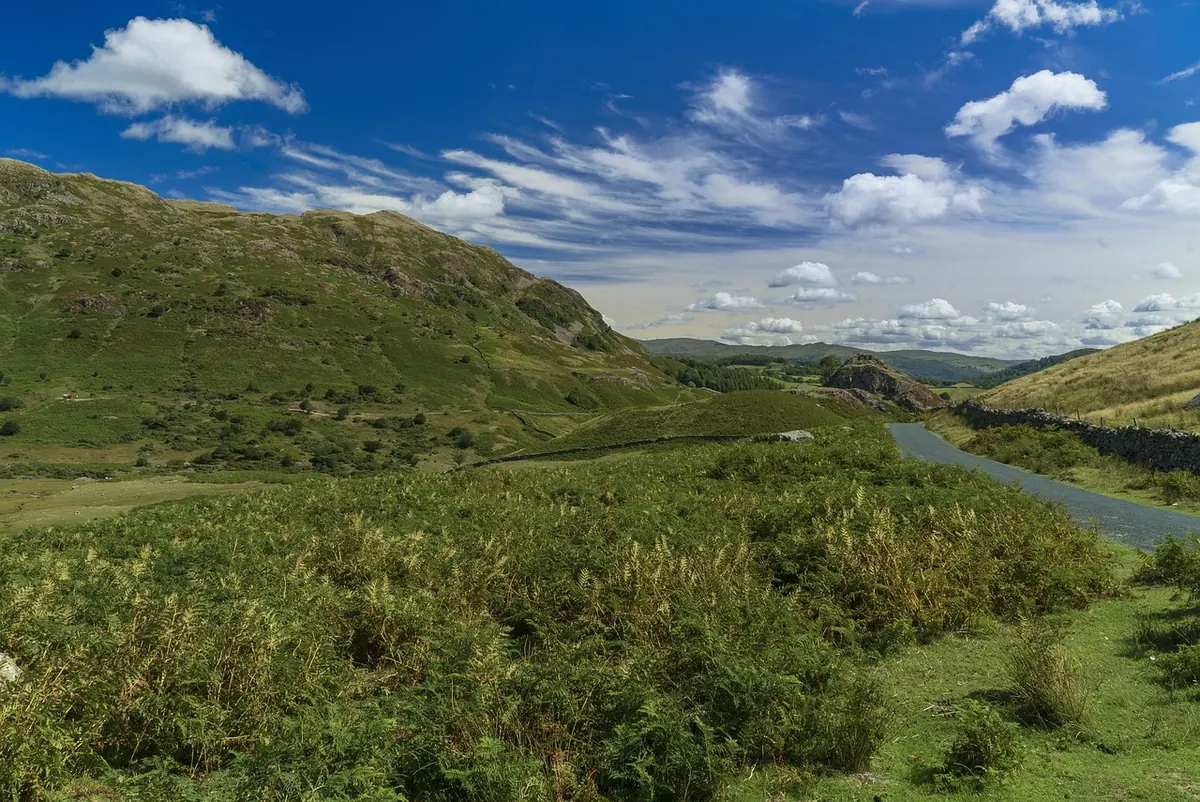
Photo: iankelsall1 / Pixabay