The Science of Phenology: How to Journal Seasonal Changes
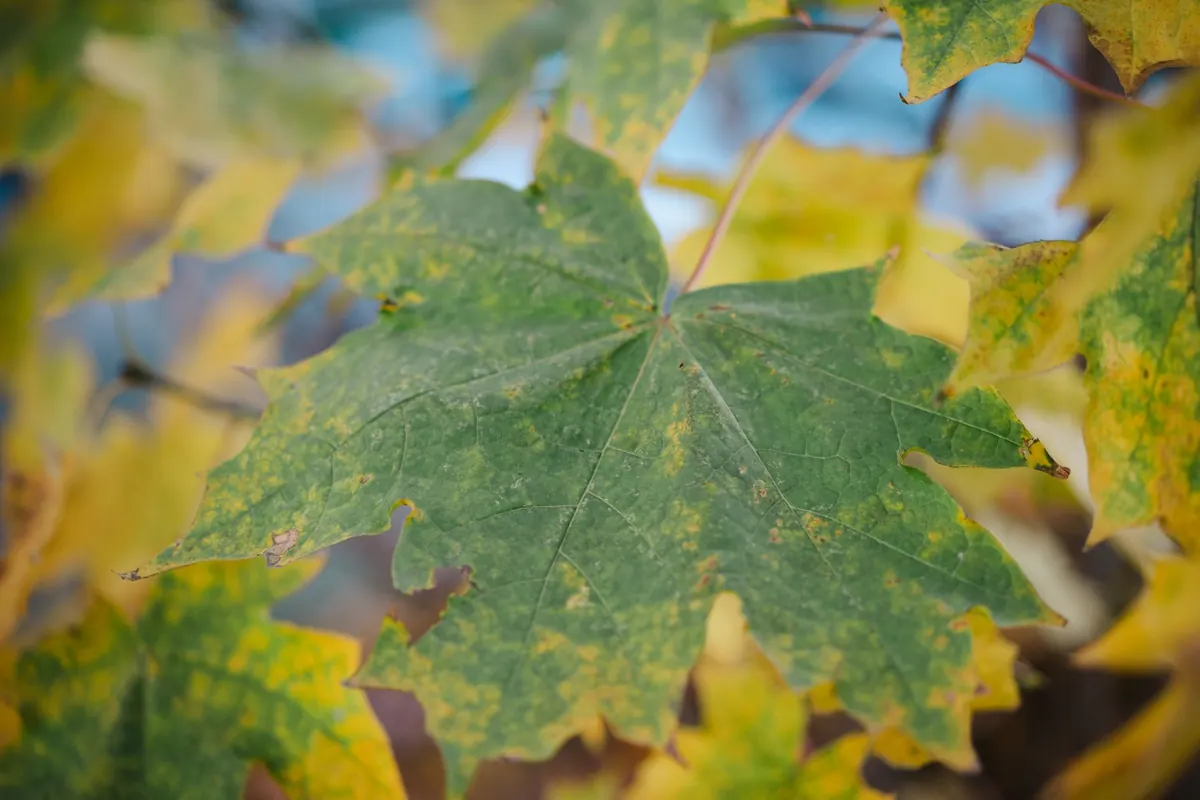
Choose one tree and look at it tomorrow. Then look again next week. At first you will see nothing but tight buds and bare twigs; a fortnight later the same branches are hazy with new green. Nothing dramatic happened in between, and that is exactly the point. Phenology is the study of those small, datable events — budburst, first flower, leaf fall, the first swallow over the field — and it is one of the few branches of science where a notebook, a pen and a regular walk are enough to make a real contribution.
What phenology actually is
The word comes from the Greek for "to appear". Phenology is the study of the timing of biological events and how that timing relates to weather, season and place. It is not quite the same as noticing wildlife. Noticing is the beginning; dating is the discipline. A phenological record answers two questions: when did it happen, and how does that compare with last year, or with a hedgerow two miles down the road?
That second question is what makes the practice so useful. A single date is a curiosity. A series of dates, gathered patiently from the same place, becomes evidence.
Why a notebook beats memory
Memory is a poor archivist. By August you will be convinced the blackthorn flowered in early March; the notebook will show it was the twenty-seventh, after a fortnight of frost. We remember unusual weather and forget ordinary weather, and we tend to recall the spring we expect rather than the spring we had. Written dates do not flatter you, and that is their value.
There is a second reason to write things down. Once you have two or three years of records for one small patch, you start to see sequence — which species move first, which lag behind, how a cold snap reshuffles the order. That pattern is invisible in any single year.
What to record
You do not need to cover everything. Begin with whatever you can identify confidently, and build from there. The main categories are:
- Buds and leaves: budburst, first fully unfurled leaf, first tint of autumn colour, leaf fall complete.
- Flowers: first open flower, peak flowering (roughly half the blooms out), last flower seen.
- Fruit and seed: first ripe berry, first conker on the ground, first seed dispersed.
- Birds: first song of the season, first swallow, first cuckoo call, last swift, arrival of winter visitors such as redwing and fieldfare.
- Insects and other animals: first bumblebee, first butterfly, first frogspawn, first bat at dusk.
- Fungi and decay: first fly agaric, first fairy ring, the point at which leaf litter starts to build.
A word of warning about "first". First records are appealing but slippery. The first swallow you see is often not the first swallow on your patch; you simply happened to be looking. Record them anyway, but treat them as a record of your observation, not of the bird's arrival.
Decide your trigger points, then stick to them
The most common flaw in amateur phenology is inconsistency. One year you note "oak in leaf" when you first spot green; the next, when the leaves are properly out. Your two dates are then not comparable, and the series is broken.
Before the season starts, write down a short definition for each event you plan to track. Ash budburst, for example, might be the first leaf blade fully unfurled and flat on your chosen branch. Hawthorn flowering might be the first flower with petals open on the bush you pass each week. Hazel catkins might be when they first release pollen in a cloud when tapped.
Record the date you saw it, not the date you think it should have happened.
Also note the conditions you are recording in: time of day, temperature, cloud, wind, whether it has rained. A flowering date collected in a gale at dusk carries different weight from one collected in warm sunshine at noon.
Setting up the page
Keep the layout simple enough that you will still be using it in three years. A two-page spread per month works well for many people, with a list of the species on your watchlist down one side and space for notes and sketches beside it.
For each entry, aim to capture: date, time, place or route, species, the event, and a line of description. Add a small sketch where you can — a half-open bud, a catkin, the shape of a leaf. Drawings force you to look properly, and later they remind you what you were actually looking at.
Reading your records back
Set aside an hour at the end of each season to review. Compare the same events across years, and note the gaps. Absence is data: "no swallows noted by 15 May" is a genuine record, provided you were out looking.
You can build a crude but useful spring index of your own by adding up the day numbers of a handful of first events — first bumblebee, first blackthorn flower, first swallow. Plot that total year by year and you have a personal measure of how early or late the season ran in your patch. It is not a scientific instrument, but it will show you patterns worth following.
Bear in mind that timing varies enormously over short distances. A south-facing bank warms sooner than a shaded hedge; a town centre runs ahead of the surrounding fields. Compare like with like, and always note the place alongside the date.
Making it a habit
The records that last are the ones that fit into an ordinary week. Choose a fixed route — a lane, a park edge, a stretch of towpath — and walk it at roughly the same time once a week. Twenty minutes is plenty. Carry a small notebook and a pencil rather than relying on your phone, though a phone is fine for photographs of whatever you cannot identify later.
Start with three species you know well: one tree, one shrub, one bird. Add a fourth next spring, and a fifth the year after. Write up your notes the same day, while the weather and the details are still fresh, and keep the finished journal somewhere you will actually open it.
If you would like your observations to be useful beyond your own pages, schemes such as Nature's Calendar and iRecord collect seasonal records from the public across the UK, and both accept casual sightings as well as regular ones. Your own journal, though, is the foundation. It holds the detail, the weather and the small surprises that no recording form has room for.
Photo: Markus Winkler / Pexels