
A Beginner's Guide to Nature Journaling: Start Your First Notebook

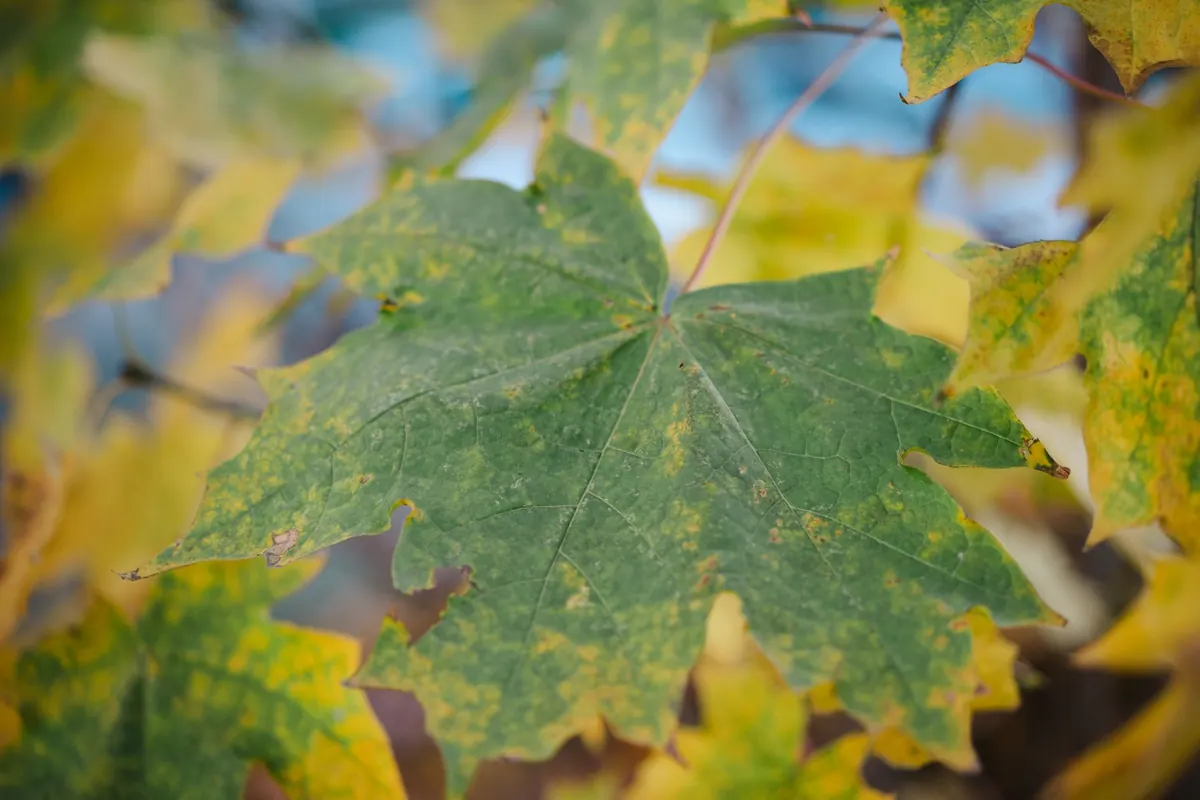
You can walk the same footpath every week for years and still miss most of what happens on it. A nature journal is a way of slowing down enough to catch some of it: the first hazel catkins, the way a robin holds itself before it sings, the exact shade of green where a mossy wall meets the light.
It is not a diary and it is not an art project. Think of it as a working record, kept for your own eyes, where curiosity gets written down before it evaporates. The good news is that you need no talent and very little kit to begin. You need a notebook, a pencil and a willingness to look at one small thing for longer than feels natural.
Why keep a nature journal at all?
The main benefit is not the finished pages. It is the noticing that happens while you make them. When you sit with a single subject for ten minutes, you start to see what a glance would have missed: the spiral arrangement of leaves on a stem, the slight asymmetry of a snail's shell, the way a bumblebee works a foxglove from the bottom spike upwards.
Over time, your pages become a personal record of a place. You will be able to look back and see when the swifts arrived last year, which tree held the first ripe blackberries, and how the same oak changed between April and October. That is information no field guide can give you, because it is specific to your patch.
Choosing your kit
Keep it simple. A cheap A5 notebook with plain or lightly ruled pages is ideal, ideally one that will take a little watercolour or damp leaf without disintegrating. Anything precious will make you hesitant, and hesitancy is the enemy of a daily habit. A humble notebook you actually fill beats a beautiful one you are frightened to spoil.
For drawing, two pencils are plenty: a dark pencil for outlines and a softer one for shading. A black fineliner or waterproof pen is useful for labels. If you want colour, add one or two watercolour pencils rather than a full tin, and use them sparingly. Everything should fit into a coat pocket, because a journal that stays at home records nothing.
What to record
You do not need to identify everything, and you certainly do not need to write beautifully. Good notes are specific and quick. Aim to capture what you can actually see, hear and smell, rather than what you think you ought to say.
A handful of prompts will carry you through most outings:
- Date, place and time. Note the weather and light too. These details explain why you saw what you saw.
- One subject in detail. A single leaf, shell, feather or fungus, described closely, is worth more than a list of twenty species.
- Sounds and movement. Birdsong described in your own words, the direction of the wind, the ripple of a pond.
- Behaviour. What was the animal doing, and how did it react to you? A heron freezing mid-step tells you more than a tick in a box.
- Questions and puzzles. "What made this hole?" "Why is this leaf furred underneath?" Leave space beside them for a later answer.
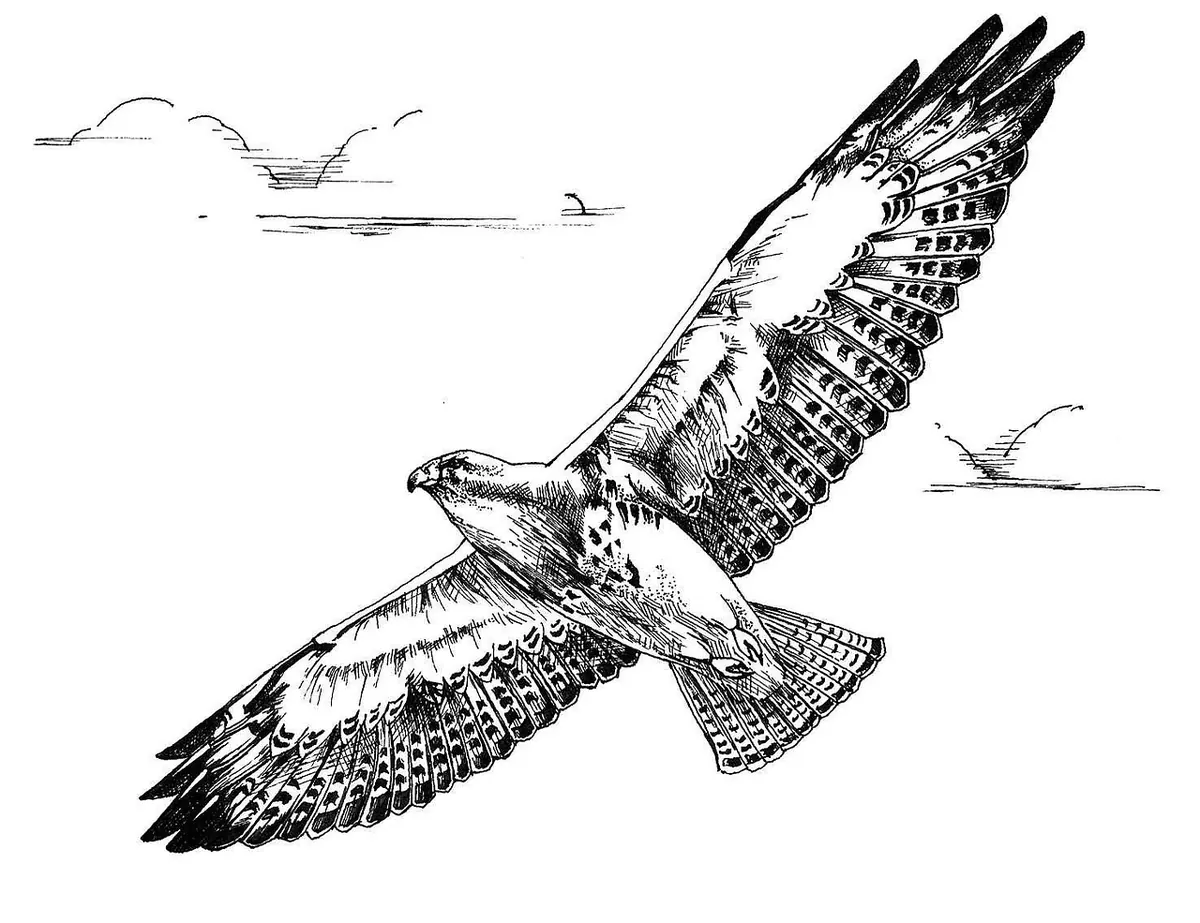
Write down the things you would otherwise forget. It is easy to remember that you saw a kestrel; it is much harder to remember, a week later, exactly how it hovered into the wind before dropping.
Sketching without fear
Anyone can draw enough to be useful, and the point of a journal sketch is information, not beauty. Start by slowing your eye down. Spend a full minute looking before the pencil touches the page, then put down the biggest, simplest shapes first: an oval for a bird's body, a triangle for a beak, a rectangle for the seed head.
Work from light outline to darker detail, and resist the urge to draw every leaf on a branch. A few shapes that describe the pattern of growth will carry far more meaning. If proportions go wrong, leave the mistake and annotate it. A note in the margin saying "bill too short — should be about half the head length" turns a wobbly drawing into a genuine record.
Three techniques worth practising
Annotated sketches. Draw the subject and add labelled lines to its parts, arrows showing movement, and small arrows showing wind direction. Even if you cannot name something, you can say "small, grey, moving along fence line".
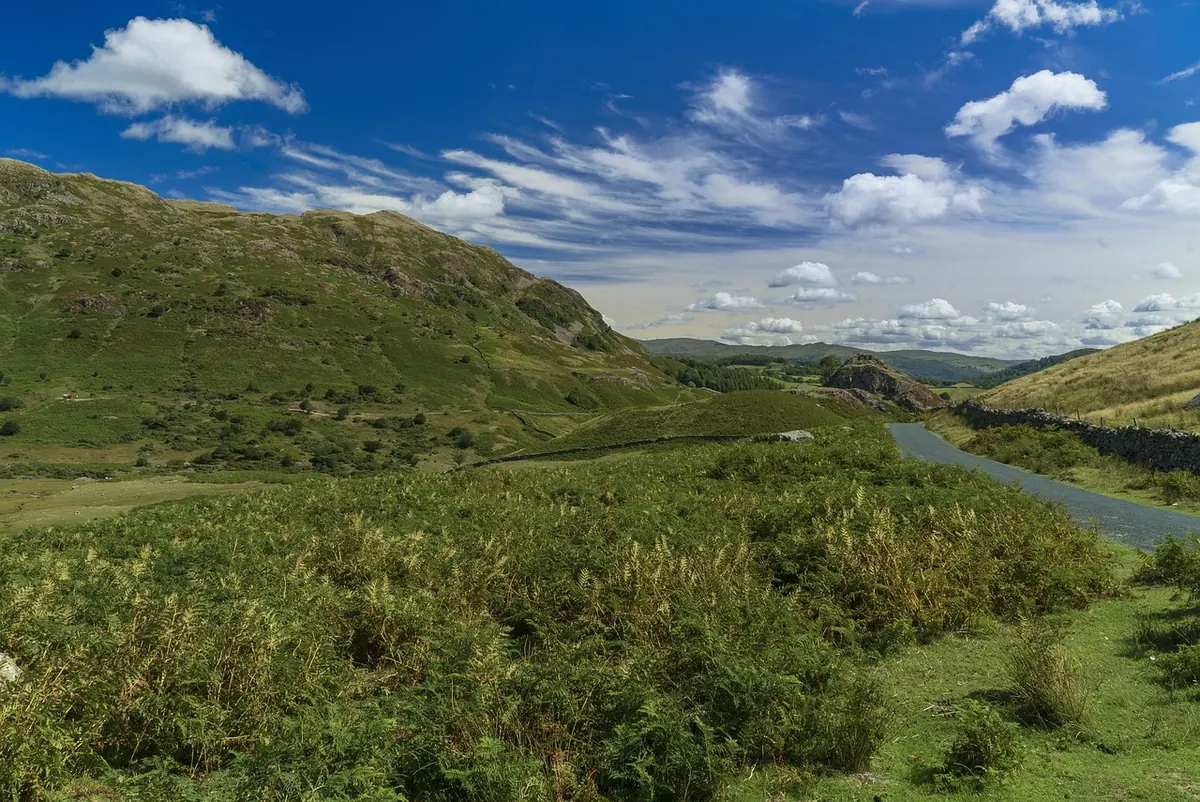
Scale and context. Add a rough scale (a coin, your thumb) and a small map of where you were sitting. A quick sketch of the habitat around the subject will jog your memory when you revisit the page.
Practise outside, not at home. A pencil and small notebook are comfortable enough in the field. Gloves or a warm pocket help in winter. Drawing from memory later fills in what you expect to be there, not what actually was, so sketch on site whenever you can. If you feel self-conscious drawing in public, pick a quiet spot at first; most passers-by are either indifferent or genuinely curious.
Building a practice that sticks
Consistency matters far more than duration. Ten minutes once a day will teach you more than an hour once a month, because your eye improves through repetition. Anchor the habit to something you already do — a morning cup of tea in the garden, the walk to the station, a five-minute pause before dinner — and it will survive the weeks when motivation dips.
A few rules of thumb that help:
- Aim for three outings a week and keep entries short. Five minutes is a complete entry.
- Keep a "small things" list to draw from: moss on a wall, a pigeon, the sky at dusk. Familiar subjects are not boring; they are simply not yet looked at.
- Add the date every single time. It is the one detail you will thank yourself for.
- Allow ugly pages. Some days a line and a few words are enough.
Start today, with one small subject
Your first entry can be tiny. Go outside, choose whatever is nearest — a dandelion in a pavement crack will do — and write the date and place in the corner. Draw its shape for five minutes, then answer three questions in writing: what is its colour, what is it doing, and what would you like to know about it? Close the book.
Look back at your pages once a month. You will notice patterns emerging: favourite haunts, species that arrive like clockwork, a growing ease with drawing. Then return to one place you have already journaled and record it again in a different season. That comparison, more than any single drawing, is where a nature journal starts to earn its keep. The practice will not make you an expert, and it is not meant to. It will make you a better noticer, which is stranger and more useful than it sounds.
Photo: pineapplesupplyco / Pixabay