
Nature Journaling on a Day Hike: Essential Kit and Techniques
The best nature journal is the one you actually open. On a day hike that usually means a notebook small enough for a coat pocket and a routine simple enough to survive drizzle, wind and the pull of the next ridge. No easel, no rucksack full of art supplies, no guilt about blank pages.
What follows is the kit worth carrying on a British trail, and the habits that let you record well without stopping every hundred metres. Everything here fits in a side pocket and works with cold hands.
Start With Less Than You Think
Most days out need far less kit than the internet suggests. A notebook, one reliable writing tool, something to hold the page down, and a way to keep it all dry. That is the working core.
- A notebook that suits your pocket. A6 disappears into a jacket; A5 gives you room to sketch. A hardback with an elastic closure survives a season of abuse far better than a soft spiral.
- A 2B pencil. Writes in cold, writes on slightly damp paper, and won't run if your flask leaks.
- A waterproof fineliner. Pigment ink, for label lines and anything you want emphatic.
- A 10x hand lens. Cheap, light, and the single best tool for looking properly at moss, lichen, galls and leaf hairs.
- A small zip pouch or dry bag. Keeps paper flat and dry, and doubles as a surface to lean on.
- A bulldog clip or wide elastic band. Holds pages open when the wind has other ideas.
- One folded identification guide. A single laminated sheet beats a shelf of books. Save your phone for photographs and the map.
- A sit mat or a folded plastic bag. Dry trousers make you considerably more willing to stop.
- Compact binoculars if the route crosses moorland, estuary or woodland edge. Something small enough to forget you're wearing it.
A tiny watercolour tin with a water brush is a pleasure if you like colour, but keep it in its own bag and accept that some days it stays there. Nothing in the list above is essential except the paper and something to write with.
Setup: Five Minutes Before You Walk
Before the first step, open the notebook and write the date, the place, the time you're setting off, and a one-line weather note: cloud cover, wind direction, how warm it feels. Add the route and the grid reference or what3words for where you parked. That takes sixty seconds and makes every later entry findable months down the line.
Then write two or three questions. Not grand ones — specific, answerable ones. Are the rowans carrying berries yet? Which way has the wind shaped the gorse? How far up the hillside does the limestone grassland give way to heather? Questions turn a walk into a survey, and they give you something to look for when your legs would rather you kept moving.
Recording at Walking Pace
The main obstacle is momentum. You get going, the rhythm is good, and stopping feels like breaking it. Two habits solve this.
The hourly stop
Commit to one proper stop each hour: five minutes, pack off, notebook out. Look back the way you came, then look again at what's close. In between those stops, don't attempt prose. A handful of jotted words at a gate or a viewpoint is enough to anchor the memory.
Three lines before anything else
Every entry begins the same way: time, location in a few words ("second stile past the ford"), conditions. Then one observation. Three lines is a complete entry, and keeping it short stops you postponing it. If more comes, let it spill onto the next page — but the three lines come first.
Sketching standing up
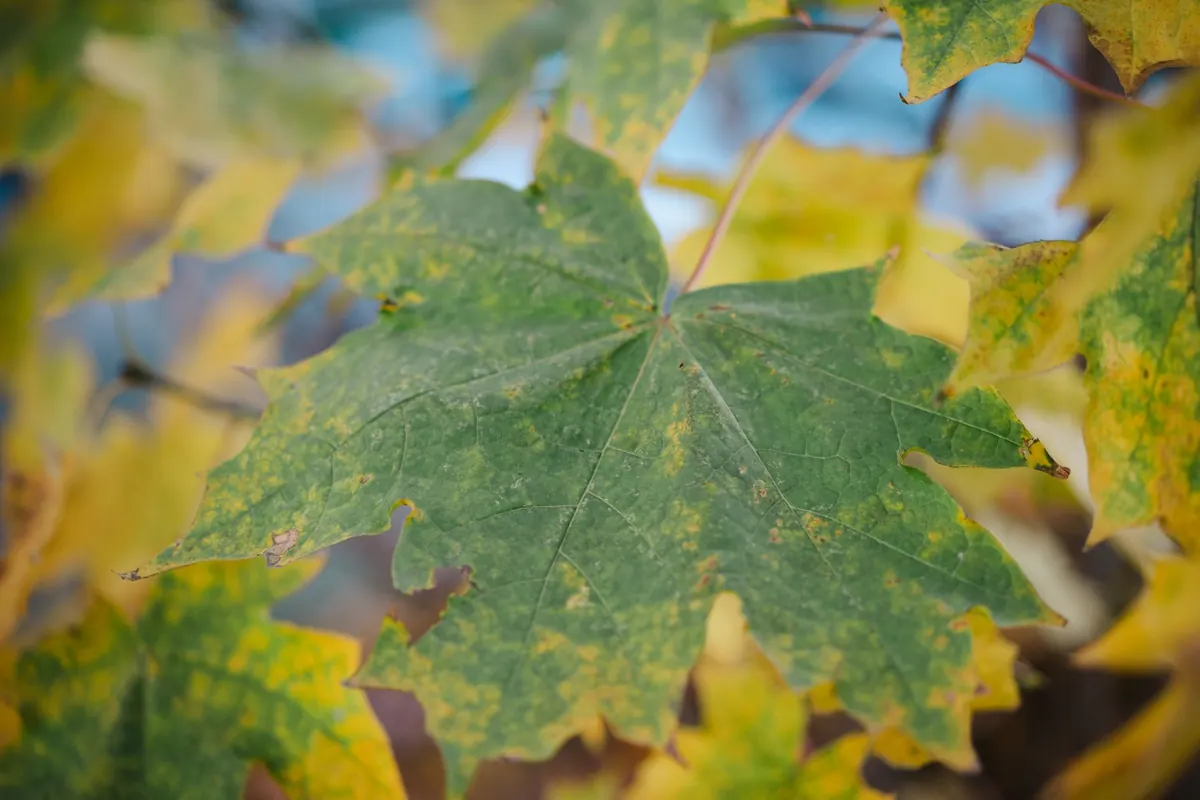
Draw the envelope before the detail: the overall outline of a leaf, a mushroom cap, a hillside profile. Then add two or three features that matter, no more. Note a scale — the width of your thumb is a perfectly good unit — and write measurements alongside: "leaf c. 8 cm, opposite pairs, untoothed edge". A rough drawing with precise notes beats a careful drawing with none.
If your hands are too cold to write, record a short voice note and transcribe it the same evening. If you photograph something, photograph the surrounding habitat too; a close-up of a flower with no context is often useless later.
What to Notice on a British Trail
Don't try to notice everything. Rotate through a few categories instead, so each pause has a purpose.
- Season and timing. What's leafing, flowering, fruiting or gone over. First swallow, first oak in full leaf, hawthorn berries turning.
- Weather and light. Cloud type, wind direction, whether the light is flat or raking across the valley.
- Ground and structure. Path surface and erosion, drystone wall styles, gate types, where water is running.
- Sound and smell. Curlew, skylark, the creak of a gate, wet bracken, wild garlic on a woodland bank.
- Signs of animals. Prints in mud, droppings, nibbled shoots, owl pellets, spraint on a riverside rock.
Write down whatever you can't identify as a question rather than a guess. "Small purple flower, damp verge, opposite leaves — selfheal?" You'll check it later, and you'll remember the answer far better for having asked.
When the Weather Turns
Rain, wind and midges are the usual reasons a journal goes untouched for a week. A few small fixes help. Write in pencil when the page is damp. Clip the pages together so a gust doesn't turn your entry into confetti. Keep the notebook in an inside pocket rather than the pack lid, where it gets soaked every time you open the bag. Wear thin liners or fingerless gloves. On a midge-heavy evening in the west, write in short bursts and move on; you won't win a full page. On a cold summit, accept that one line and a rough outline is a finished entry.
For hill days generally, the usual basics still apply: check the forecast, carry a map you can genuinely read in rain, and tell someone your route and expected return.
Ten Minutes at the Kitchen Table
The same evening, while the walk is still in your head, spend ten minutes with the notebook. Add identifications and colour notes. Turn your questions into answers. Copy up anything scrawled on a scrap of paper or mumbled into a voice note. Write one line about what you'd have missed if you hadn't stopped — that is the entry you'll enjoy rereading in February.
Then leave it alone. The point isn't a tidy journal. A page of scrappy notes from a wet Wednesday on the moor, with a smudged sketch and three lines you can actually read, is worth more than a perfect blank one. Start with a pocket notebook on your next short walk and see what you notice.
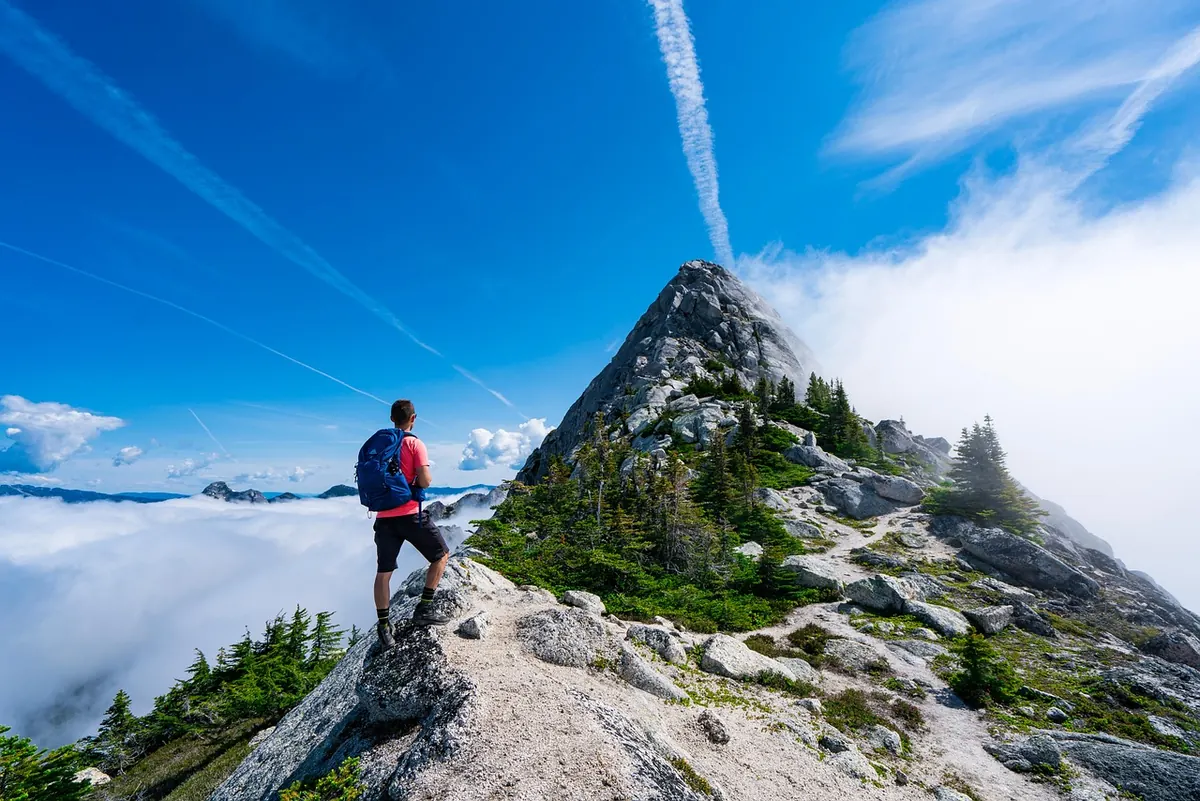
Photo: NZKGB / Pixabay